
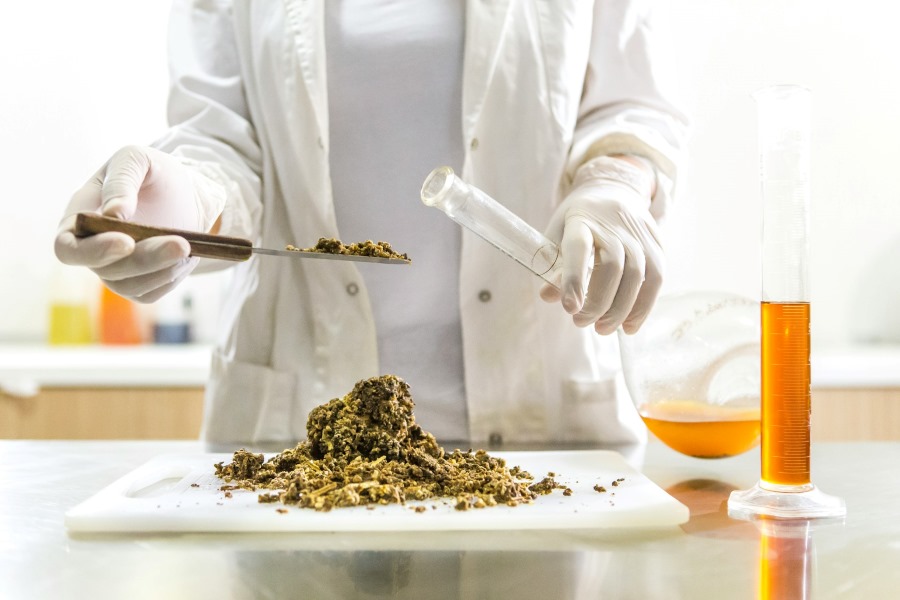
With the popularity of kratom increasing across the United States, so have concerns over its safety, especially when it comes to potency and adulteration. For centuries, people across Southeast Asia have used the Mitragyna speciosa tree, or kratom, as it is commonly referred, for medicinal and recreational purposes by chewing the leaves or brewing them into tea.
Though kratom in its pure form is completely natural, the products available to American consumers are typically dried and crushed kratom leaves in the form of powder, which can be sold as is or in the form of capsules.
Another popular kratom product is liquid kratom extracts, which go through a liquid extraction process to release the alkaloids from the kratom plant to produce a more potent liquid. Aside from pure kratom powders and liquid extracts, other kratom products include chocolates, honey sticks, teas, and gummies, usually marketed as “kratom infused.”
The variety of products available and the different processing these products require, coupled with the long transit from the source in Southeast Asia, can present problems in the final product. For this reason, it is imperative that consumers seek out lab-tested kratom to ensure they are purchasing safe and unadulterated products.
If you’re concerned about the safety of kratom products, have questions about lab-tested kratom, and want to know more about the process and reading test results, look no further! This guide to kratom testing will answer all your questions regarding lab tested kratom.
Why Lab Test Kratom?
Like pharmaceuticals, food, and other consumables, kratom must be tested for harmful contaminants to ensure it is safe for consumption. Certain lab tests can detect heavy metals, bacteria, and other toxins present in kratom products, which could make the consumer sick if consumed.
Lab-tested kratom can also help regulate potency, which is important when it comes to safe dosage. As a “newer” product on the market, kratom vendors have a great responsibility in testing their products to protect the industry from strict government regulations and all-out bans on kratom products.
What is Tested?
There are a variety of different lab tests kratom products can go through to ensure a safe product. Kratom users should check that kratom products have undergone the following tests:
Potency/Alkaloid Content Testing
Kratom plants contain many alkaloids, including the major active alkaloids mitragynine and 7-hydroxymitragynine. The desired effects of kratom depend on the levels of alkaloids present. Potency testing can determine the exact concentration of each of these alkaloids.
Heavy Metals Testing
Kratom plants can absorb heavy metals, like lead, nickel, mercury, and iron, from the soil they are grown in. Lab-tested kratom will confirm that the presence of these toxins is at low enough levels that they are not harmful to consumers.
Microbial Testing
Bacteria can grow in kratom at any time between growing, harvesting, and packaging. Microbial testing involves testing for salmonella, yeast and mold, e. coli, Streptococcus, coliforms, and other common bacteria that, when consumed, could cause serious illness in humans.
Pesticide Residue Testing
Pesticides are helpful in protecting growing plants from insects and other pests, but if consumed in large amounts, can be dangerous for humans. Pesticide testing can ensure that kratom products are free of dangerous pesticide residue.
Foreign Matter Testing
Foreign matter testing ensures that kratom products are pure and absent of any impurities.
Reading Test Results
Most third-party labs that test kratom will use guidelines from the American Herbal Products Association (AHPA), United States Pharmacopoeia (USP), NSF/ANSI, and the World Health Organization (WHO) for standard limits for microbiological agents and heavy metals. Laboratories will set pass/fail parameters based on these standard limits, indicating that the tested product either has below the recommended limit (pass) or above the recommended limit (fail).
When reading kratom test results for pathogens, consumers should be able to see the exact number of colony-forming units (CFU) per gram and should compare this with standard limits from the previously mentioned organizations. When reviewing heavy metal counts, consumers should be able to see the levels in parts per million and, again, compare these levels to standard limits set by regulatory organizations.
For potency testing, consumers should be wary of high levels of active alkaloids mitragynine and 7-hydroxymitragynine. Pure kratom products should contain no more than 66% of mitragynine as the primary alkaloid and 2% of 7-hydroxymitragynine in the alkaloid fraction of the extract or a total of approximately 2% of alkaloids (1.8-2% mitragynine and 0.02-0.03% 7-hydroxymitragynine) in the whole leaf extract.
Lab test results should also clearly indicate batch size, date of testing, what was tested, and the method used for testing.
Final Thoughts
Not all kratom on the market is tested for potency or for the presence of harmful or toxic materials, so it is important for consumers to do their research on kratom testing and reputable vendors. For high-quality, lab-tested kratom you can trust, visit the Kratom Store.